
History
text
Meet the Staff
Class Teacher: Suad Jama
Teaching Assistant: Vicky Cloud
Year 2 Term 2 curriculum overview
The Great Fire of London
This term, the Great Fire of London will connect our English, history, art and computing. Children will investigate an event from the past, consider how we know what happened and use their knowledge to write, create and communicate. We will encourage them to explain their thinking and ask questions when something is unclear.
In mathematics, our focus is multiplication and division involving 2, 5 and 10. Science continues with Animals Including Humans. Our wider learning includes Jesus as a teacher in RE, Dreams and Goals in personal development, gymnastics and expressive singing.
English
We will read and discuss texts about the Great Fire of London, learning to find information and explain how events are connected. Children will distinguish what a text tells us directly from an idea we infer, and use what they have read to support an answer. They will also discuss unfamiliar vocabulary in context.
Poetry
Children will collect words and phrases that help a reader imagine a scene. We will consider the effects of carefully chosen verbs, sound and repetition, then read our poems aloud to hear how they work. A powerful poem does not have to rhyme: the focus is on purposeful language and expression.
Newspaper reports
We will consider the questions a reader needs answered: what happened, where, when and who was involved? Children will choose a headline, organise key information and write sentences that communicate events clearly. They will learn that an imagined line spoken in a drama activity is different from a statement supported by historical evidence.
Oral rehearsal and shared discussion will help children organise their ideas before writing. Rereading will focus on meaning, sentence punctuation and whether the information makes sense to someone who was not part of the lesson.
Key vocabulary: poem, verb, repetition, headline, report, fact, evidence, reader.
Spelling and grammar
We will revisit alternative spelling patterns: a-e, ay and ai; ee, ea and e-e; i-e, igh and y; o-e, oa and ow; u-e, oo and ew; and ar. Children will compare words and practise choosing the spelling they need, applying their phonics when reading and writing.
Grammar work will include verbs, adverbs, conjunctions, proper nouns and contractions. For example, a verb can tell us what happened; an adverb can add detail about how; and because can connect an event with a reason. Proper nouns such as London need capital letters. In a contraction such as didn’t, the apostrophe marks missing letters.
At home: After reading, ask your child to explain one fact they learned and show you where they found it. When discussing a poem, ask which word or phrase helped them picture the scene.
Mathematics and science
Mathematics
We will develop multiplication and division through equal groups, using the 2, 5 and 10 times tables. Children will connect practical models, pictures and calculations, and explain what each number means in a problem.
Understanding multiplication
Children will make groups with the same number in each group and distinguish these from unequal collections. They will count in twos, fives and tens, connecting repeated addition with multiplication. For example, four groups of five counters contain twenty counters altogether.
Arranging objects in rows and columns will help us see a total without counting every object separately. Children can turn an arrangement around and explain why the total stays the same. We will use known facts to work out less familiar ones, while building accurate recall of multiplication and related division facts.
Understanding division
We will explore both sharing and grouping. Twenty buttons shared equally between five children gives four buttons each. Twenty buttons placed into groups of five makes four groups. Acting out both situations will help children explain what the answer represents.
We will connect division with multiplication and use one to check the other. Questions will include missing values and simple stories, so that children choose a suitable method rather than rely only on a remembered fact. Work with pairs will also support our understanding of odd and even numbers.
Explaining and checking
Children will be encouraged to say how many groups there are, how many are in each group and what they are trying to find. If an answer seems unexpected, they can return to a model and check. “Show me why” and “Can you make a different story with the same numbers?” will deepen understanding.
Key vocabulary: equal groups, multiply, divide, share, group, array, row, column, odd, even.
Science
Animals Including Humans will explore how young animals grow into adults and what living animals need to survive: food, water and air. Children will describe changes as animals grow, using examples and observations to explain their ideas.
We will also learn about exercise, varied food and hygiene in keeping people healthy. Children will ask questions, compare examples and explain everyday choices using what they have learned. They will practise giving a reason, rather than simply saying that something is healthy.
Key vocabulary: offspring, young, adult, growth, survive, exercise, hygiene.
At home: Make groups with buttons or building blocks and ask your child to describe the groups before finding the total. For science, talk about the needs of a familiar animal and how these are met.
Investigating the Great Fire
History
Our enquiry asks how the Great Fire of London began, why it spread and how people responded. Children will learn that it started in a bakery in Pudding Lane in September 1666. They will consider how closely packed wooden buildings, dry conditions and wind helped it spread.
We will place events in order and connect causes with consequences. Children will compare firefighting at the time with what they know about today, and discuss why the rebuilding of London mattered to the people who lived there.
A central question is “How do we know?” We will explore the different clues provided by pictures, objects and written accounts, including the diary of Samuel Pepys. Children will practise explaining what a source can tell us and what questions remain. We will distinguish a historical source from our own imaginative reconstruction.
Building a model city and using freeze frames will help children explore events and viewpoints. A freeze frame is a still pose showing a moment in an event. Children can explain what their character might be thinking, then compare that imagined viewpoint with the evidence we have discussed.
Key vocabulary: 1666, Pudding Lane, bakery, eyewitness, diary, source, evidence, cause, consequence.
Planned visit
The curriculum map includes a visit to the Monument and St Paul’s Cathedral. This would help children connect the places they have studied with London today and consider how the Great Fire is remembered. Arrangements and dates are subject to confirmation.
Computing
Children will create an eBook and record news stories about the Great Fire. They will consider the purpose of each page or recording, select relevant information and organise it for an audience. A clear caption or spoken explanation should help the audience understand the event.
We will practise reviewing digital work: is the information accurate, is it in a sensible order and can the audience hear the recording clearly? Listening back and making a change will help children see editing as part of communicating. We will also reinforce asking permission before recording other people.
Key vocabulary: eBook, record, playback, caption, sequence, audience, edit.
Religious education
Our Christianity topic explores Jesus as a teacher. Children will listen to stories about his teaching, consider the messages Christians take from them and discuss questions about kindness, fairness and the way people treat one another. They will explain their own ideas while recognising that others may hold different beliefs.
Key vocabulary: Christian, Jesus, teaching, belief, kindness, fairness.
At home: Ask “What is one thing we know about the Great Fire, and how do we know it?” Encourage your child to separate a fact they learned from an idea they imagined in drama.
Creating and working together
Art
Children will use textiles to create a landscape inspired by the Great Fire of London. We will explore how colour, texture and the arrangement of fabric can suggest buildings, smoke and flames. Looking closely at a composition will help children decide which shapes need to stand out and which should sit behind them.
We will experiment with arranging, overlapping and joining materials before settling on a design. Children will explain their choices and review the effect of their work: can the viewer recognise the scene, and which part communicates their idea most clearly? This will develop both practical control and the language to talk about art.
Key vocabulary: textile, fabric, texture, colour, layer, overlap, shape, landscape.
Music
Songs and chants will help us use our voices with expression. Children will practise clear words, listen to one another and work on starting and finishing together. We will consider how expression changes the effect of a performance, and use rehearsal to improve a particular section. A Christmas carol concert is included in our plans.
Key vocabulary: chant, rhythm, expression, rehearsal, perform, audience.
Personal social and health education
In Dreams and Goals, children will identify a goal, think about the steps involved and discuss how to respond to a difficulty. We will explore how practice, useful feedback and asking for support can help us improve.
Working towards a shared goal will give children opportunities to listen, take responsibility and encourage a partner. We will notice specific progress and discuss what helped it happen. Our school values of respect, confidence and excellence will support these conversations about learning and working with others.
Key vocabulary: goal, step, challenge, practise, feedback, perseverance, progress.
Physical education
Gymnastics will develop control, balance and coordination. Children will explore shapes, balances and ways of travelling, then practise linking movements into a short sequence. We will focus on clear starts and finishes and on moving with care in the space available.
Watching a partner will help children describe what they notice and suggest a useful improvement. We will practise following instructions, working safely around equipment and recognising that a controlled movement is more important than rushing to complete a sequence.
Key vocabulary: balance, shape, travel, sequence, control, coordination.
Supporting learning at home
Read together and ask your child to explain their ideas with evidence from the text. Make equal groups using familiar objects, practise the 2, 5 and 10 times tables alongside their meanings, and invite your child to give you a short news report about something they have learned.
Talking in your home language as well as English can help children develop and explain their thinking. These suggestions can be explored through everyday conversation and play; no additional resources need to be bought.
IXL Login: Click here to sign in
Class Newsletter
Term 1
Term 2
Term 3
Term 4
Term 5
expanders
-
Year 2 – Our Learning Journey (Term 5)
At Nightingale Primary School, our Year 2 curriculum continues to build on strong foundations while deepening pupils’ independence, creativity and understanding. This term, our learning is brought together through the engaging theme “Clean Up!”, encouraging children to think about the world around them and their role within it.
-
English
In English, pupils will explore a range of writing outcomes linked to our theme. Children will develop their skills through:
-
Writing narratives inspired by environmental themes
-
Creating reports to share information
-
Writing letters to express opinions and ideas
A strong focus will be placed on grammar and vocabulary development, including:
-
Using suffixes such as -ful, -less, -ness, -ment and -ly
-
Understanding shortened words (contractions)
-
Using superlative adjectives and adverbs to enhance writing
-
Applying correct past and present tense verbs
-
Using conjunctions to extend sentences
-
Identifying and correcting commonly confused words
Through discussion, modelling and structured talk, children will build confidence in expressing their ideas clearly.
-
-
Mathematics
In Maths, pupils will continue to strengthen their fluency and reasoning skills. Key areas of focus include:
-
Understanding and measuring mass
-
Exploring and comparing temperature
-
Developing speed and accuracy in arithmetic
Learning will be practical and engaging, with opportunities for children to explain their thinking and apply their knowledge in different contexts.
-
-
Wider Curriculum
Our wider curriculum supports children in making meaningful connections across subjects:
-
Science: Learning about Living Things and Their Habitats, exploring how animals and plants depend on their environment
-
Geography: Developing knowledge of the continents and understanding the wider world
These topics help children build awareness of the environment and their place within it.
-
-
Creative Arts
Creativity is a key part of learning in Year 2:
-
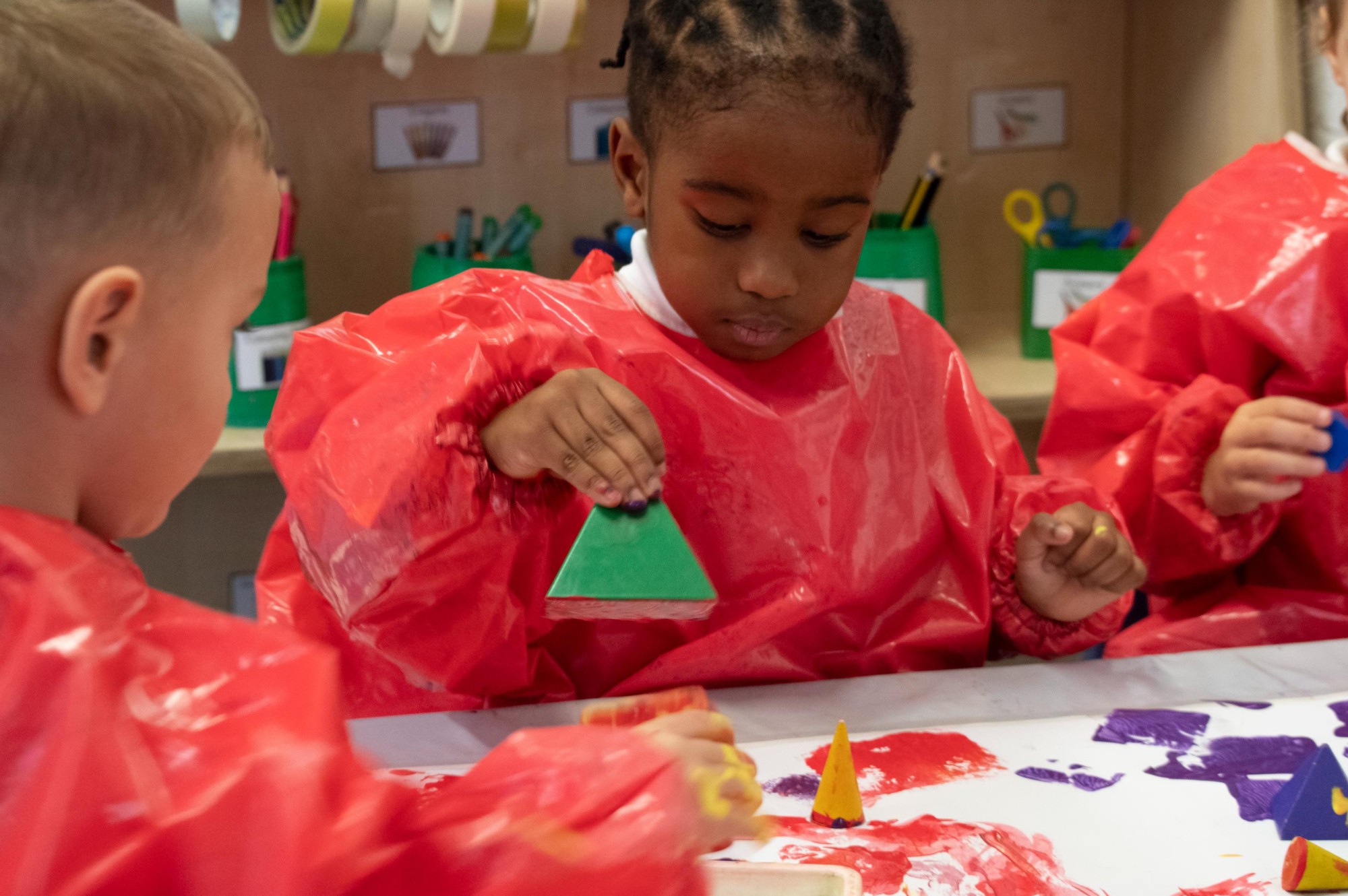
Art and Design: Exploring printing techniques and studying Jamaican art, allowing children to experiment with colour, pattern and cultural influences
-
Music: Creating digital music, using drums and adding instruments to compose pieces that reflect different moods
-
Performance: Developing rhythm by performing patterns using percussion and pitched/unpitched instruments, including quarter and eighth notes
-
-
Physical Education
In PE, children will take part in group games, developing teamwork, coordination and communication skills while building confidence in physical activity.
-
Personal Development
Through our PSHE focus on Relationships, children will learn about forming positive friendships, understanding others, and working collaboratively. This supports the development of respectful, kind and responsible members of our school community.
-
Reminders & Key Information